Copper Canyon (Barranca del Cobre) is a vast system of six interconnected canyons in northern Mexico's Sierra Tarahumara mountains, deeper and larger than the Grand Canyon, with unique cultural landscapes inhabited by the indigenous Tarahumara people. Visitors can experience the rugged wilderness and rich culture through activities like riding the scenic El Chepe train, hiking, zip-lining, or exploring mountain villages like Creel. The best time to visit is during the pleasant, warm months of autumn (September-October).
Copper Canyon & Train Route
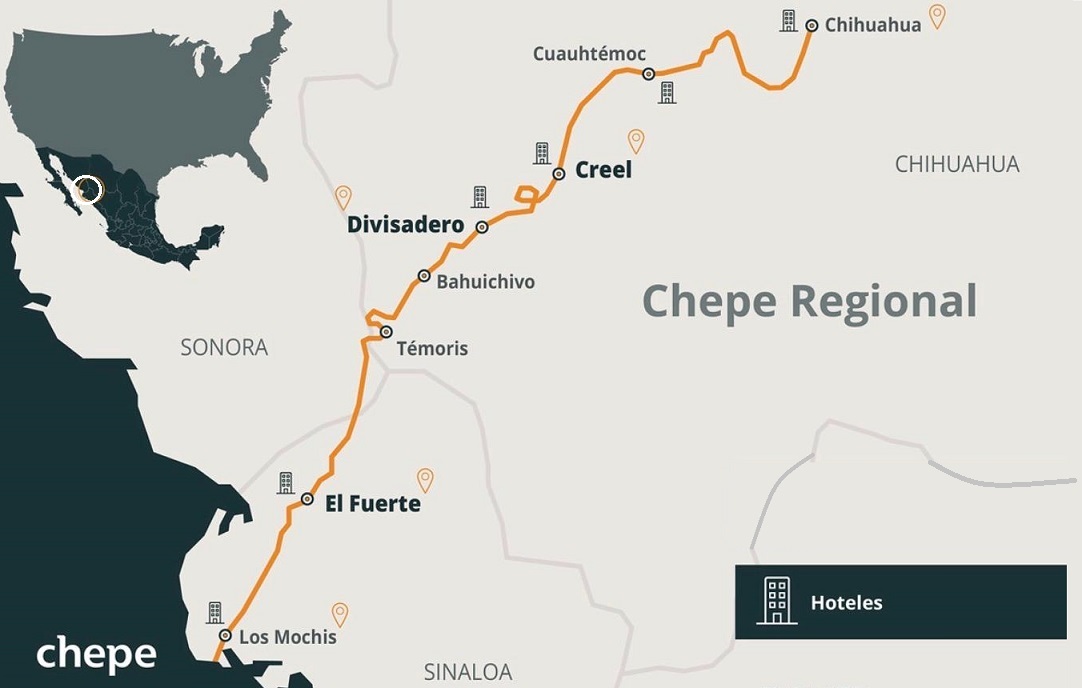
This is a map of the area where the Copper Canyon is located and the train route.
Trip Planning
I have visited Mexico many times. From the east to the west coast and in the middle, Mexico City! I contacted this travel agency to hopefully, book a trip for my 87th birthday!
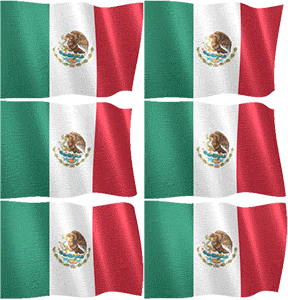
Mexicon Flag Overview
The image of an eagle on a cactus eating a serpent is a significant symbol in Mexican culture and history, prominently featured on the national flag. This emblem is rooted in an ancient Aztec legend that tells the story of the founding of Tenochtitlán, the Aztec capital, which is now Mexico City.
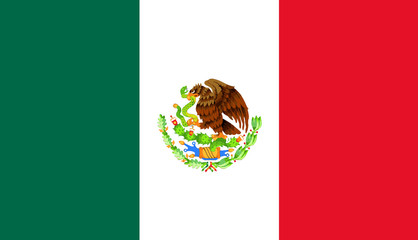
Legend Overview
According to the legend, the Aztecs were instructed by their god Huitzilopochtli to search for a specific sign that would indicate where they should establish their city. They were to look for an eagle perched on a prickly pear cactus, devouring a snake. After a long journey, they discovered this scene on an island in Lake Texcoco, which led them to establish Tenochtitlán in 1325.
Symbolism
Eagle: Represents strength, power, and independence. It is also a symbol of the sun and is often associated with the divine in various cultures.
Cactus: The prickly pear cactus signifies resilience and the ability to thrive in harsh environments, reflecting the adaptability of the Aztecs.
Serpent: Often interpreted as a symbol of the earth and fertility, the serpent can also represent challenges and adversities that need to be overcome.
National Identity
The image has become a central symbol of Mexican national identity, embodying the history, culture, and resilience of the Mexican people. The current flag design was officially adopted in 1968, although variations of the emblem have been used since the 19th century.
Overall, the eagle, cactus, and serpent together create a powerful narrative that connects modern Mexico to its ancient roots and cultural heritage.
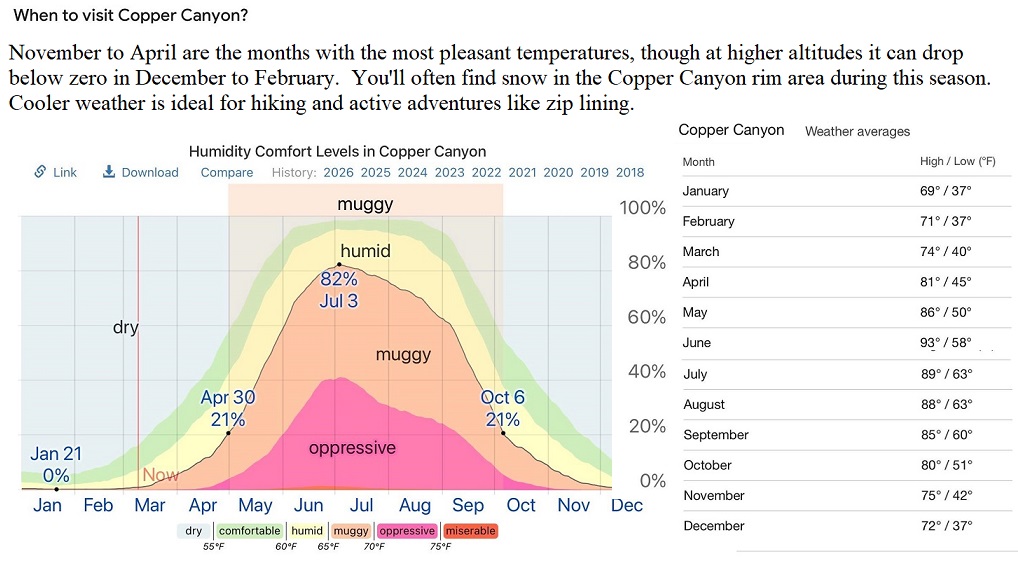
Copper Canyon Weather
Mexican Money
Money: The Mexican peso (symbol:
$; currency code: MXN; also abbreviated Mex $ to distinguish it from other peso-denominated currencies; referred to as the peso, Mexican peso, or colloquially varo) is the official currency of Mexico. The peso was first introduced in 1863, replacing the old Spanish colonial real. The Mexican peso is subdivided into 100 centavos, represented by c. Mexican banknotes are issued by the Bank of Mexico in various denominations and feature vibrant colors and imagery representing Mexican culture and history. Modern peso and dollar currencies have a common origin in the 16th-19th century Spanish dollar, most continuing to use its sign, $.
The current ISO 4217 code for the peso is MXN; the "N" refers to the "new peso". Prior to the 1993 revaluation, the code MXP was used. The Mexican peso is the 16th most traded currency in the world, the third most traded currency from the Americas (after the United States dollar and Canadian dollar), and the most traded currency from Latin America. As of 11 June 2025, the peso's exchange rate was $18.91 per U.S. dollar, $13.83 per Canadian dollar, $25.13 per Pound sterling and $21.72 per Euro
Mexican Visas
Visa: To get a visa for Mexico, most travelers must visit their local Mexican consulate or embassy to submit an application with a valid passport, photo, and supporting documents, while some citizens of Russia, Turkey, and Ukraine can apply online for an electronic visa (e-visa). U.S. citizens and some other nationalities may not need a visa for short visits but still need to complete a Multiple Migration Form (FMM). Travelers must schedule an appointment online at the consulate's website, such as consulmex.sre.gob.mx, and pay a non-refundable fee to receive their visa.
Mexican Electrical Outlets
Mexican electrical outlets use Type A (two flat pins) and Type B (two flat pins plus a round ground pin) sockets, identical to those in the United States, so a power adapter is not needed for US-based travelers. The voltage is 127V at 60Hz, which is compatible with US devices. However, due to potential wiring issues like a lack of polarized outlets or improper grounding, it is advisable to bring a 3-to-2 prong adapter for safety.
Flight Information
I will fly into Mexico via San Francisco to.....
Travel Guide Insurance
At my age, I usually take out insurance just in case there is a problem before I go on a trip. Not sure if I need it for a short trip to Mexico. Time will tell.
Grand Canyon & Copper Canyon
My sister Yvonne and I took a road trip to the canyons of the Southwest in 2010. We visited most of the canyons in the southwest of the USA.
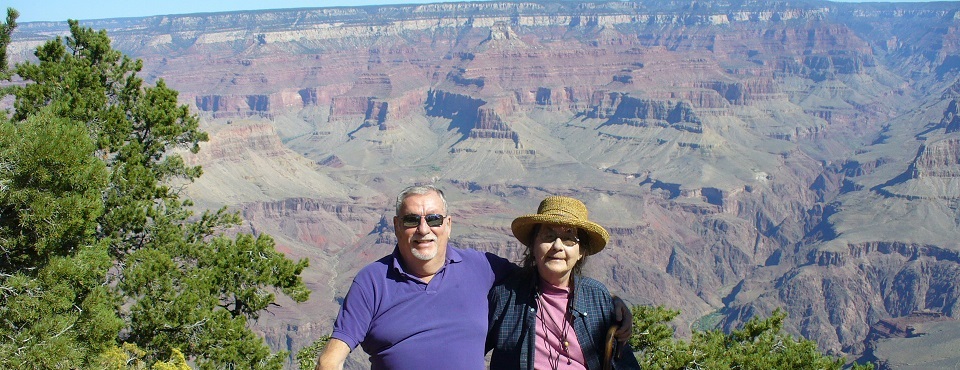
And in 2027 a view of the Copper Canyon in Mexico!

Day 1 - Flight & Hotel
Your adventure begins in Chihuahua, where you will be greeted with the warm hospitality of
this charming city. As you travel towards Creel, enjoy a scenic drive through the Mennonite fields,
immersing yourself in the unique culture of this community. Upon arrival in Creel, take some time to
explore the picturesque town, known for its stunning natural surroundings and rich Rarámuri heritage
Day 2
Start your day with a hearty breakfast before heading out to the Adventure Park in Divisadero.
Here, you can experience the thrill of ziplining over the majestic Copper Canyon or take a cable car
ride for breathtaking views. Spend the afternoon exploring the beautiful landscapes around Creel,
including the stunning Cusárare Waterfall and Lake Arareko, perfect for hiking and outdoor activities
Day 3
After breakfast at the Mirador Hotel, board the Chepe Express for a luxurious train ride to Los
Mochis. This journey offers some of the most spectacular views of the canyon, making it a highlight of
your trip. Upon arrival in Los Mochis, check into your hotel and enjoy a relaxing evening in this vibrant
city
Day 4
Today, indulge in a delightful breakfast before embarking on a city tour of Los Mochis. Visit the
beautiful Maviri Beach, where you can relax on the sandy shores or enjoy fresh seafood at a local
restaurant. Take a boat ride in Topolobampo Bay, where you might spot playful dolphins, adding a
touch of magic to your day
Day 5
After breakfast, journey to El Fuerte, a charming Magic Town rich in history. Enjoy a guided
historical walk, where you will learn about the town's colonial past and admire its beautiful
architecture. Visit the Municipal Palace and the local market, where you can taste traditional sweets
and immerse yourself in the local culture
Day 6
Spend your final day exploring the enchanting landscapes surrounding El Fuerte. Take a
leisurely stroll through the town, visit the local museum, or simply relax in the beautiful gardens of
your hotel. Reflect on the incredible experiences you've had throughout your journey as you prepare
for your return to Chihuahua
Day 7
Home Sweet Home. My view of San Francisco from my apartment on the 28th floor of Fox Plaza.
Created
on 2025.09.28
 Updated on
2026.03.11
Updated on
2026.03.11